
Copa Di Vino is a unique wine brand that changed how people enjoy wine. It offers wine in a ready-to-drink single-serve glass. The company became famous after appearing on Shark Tank. Copa Di Vino net worth in 2026 is estimated at around $50 million. This shows how a simple idea can grow into a huge business.
The founder faced rejection on Shark Tank but never gave up. He believed in his product and continued working hard. Over time, the brand gained attention in stores and big events. Sales grew quickly, and the company started earning strong profits. It became a true success story of persistence.
Copa Di Vino expanded across many markets and built a strong name. It became popular for its convenience and quality. The brand turned into a million-dollar wine empire over the years. Its journey proves that rejection can lead to success. Today, it inspires many new entrepreneurs.
Company Details
Understanding Copa Di Vino’s financial achievement begins with establishing a clear picture of what the company is, what it created, and the fundamental innovation that drove its success.
| Company Information | Details |
| Company Name | Copa Di Vino |
| Founded | 2009 |
| Founder | James Martin |
| Headquarters | The Dalles, Oregon, USA |
| Product Category | Single-serve wine in wine glass packaging |
| Primary Innovation | Wine served in sealed individual wine glass containers |
| Shark Tank Appearances | Two appearances — Seasons 2 and 4 |
| Shark Tank Outcome | No deal secured in either appearance |
| Acquisition | Purchased by Splash Beverage Group |
| Estimated Company Value at Sale | $15 Million — $20 Million |
| Estimated Net Worth 2026 | $20 Million — $30 Million |
| Annual Revenue Peak | $20 Million+ |
| Distribution | National retail and hospitality |
| Product Varieties | Multiple wine varietals |
Copa Di Vino’s core innovation was both simple and genuinely revolutionary in the context of American wine consumption — wine sold in individual serving-sized sealed containers that resemble actual wine glasses. This concept addressed several real and persistent pain points in wine consumption simultaneously:
- Portion control — individual servings eliminating the waste associated with opening a full bottle for a single glass
- Convenience — no corkscrew, no glass, no cleanup required
- Portability — wine consumption made possible in venues and situations where bottles and glasses are impractical
- Freshness guarantee — each sealed container ensuring perfect freshness regardless of storage conditions
- Accessibility — making wine consumption easy and approachable for consumers who find full bottle purchases intimidating
These multiple simultaneous value propositions created a product with genuine and broad market appeal that Copa Di Vino would eventually prove out through tens of millions of dollars in retail sales.
Shark Tank Story That Changed Everything

Copa Di Vino’s relationship with Shark Tank is one of the most fascinating and paradoxical in the show’s history — a story in which rejection by America’s most prominent investors ultimately served as a powerful catalyst for success rather than a devastating setback.
First Appearance — Season 2
James Martin first appeared on Shark Tank in Season 2, presenting Copa Di Vino with a passion and conviction that reflected his genuine belief in the product’s market potential. He sought investment to scale his innovative single-serve wine concept from its initial Oregon market success to national distribution.
The Sharks’ reactions in his first appearance were mixed but ultimately negative in terms of investment commitment:
- Recognition of the product’s genuine innovation and consumer appeal
- Concerns about the capital requirements for national distribution scaling
- Questions about the defensibility of the concept against competitive copying by major wine producers
- Valuation disagreements between Martin and the Sharks
- Concerns about Martin’s willingness to accept investor guidance and partnership
Despite receiving offers that came close to his requirements, James Martin ultimately walked away from the first appearance without completing a deal — a decision that would prove controversial but ultimately defensible given subsequent events.
Second Appearance — Season 4
James Martin’s return to Shark Tank in Season 4 represented an unusual second chance that the show’s producers granted in recognition of the compelling nature of his product and story. By this point, Copa Di Vino had demonstrated meaningful commercial traction, making the second pitch considerably stronger from a business fundamentals perspective.
| Shark Tank Appearance Comparison | Season 2 | Season 4 |
| Investment Sought | $600,000 | $500,000 |
| Equity Offered | 30% | 10% |
| Implied Valuation | $2 Million | $5 Million |
| Revenue at Time | Early stage | $1 Million+ |
| Deal Outcome | No deal | No deal |
| Shark Reactions | Interested but concerned | Frustrated by valuation |
| Long-term Impact | National exposure | Continued momentum |
The second appearance generated significant tension between Martin and the Sharks, particularly around his valuation and his apparent unwillingness to accept the kind of mentoring and guidance that experienced investors typically expect to provide alongside their capital. The Sharks’ frustration was palpable and the exchange became some of the show’s most memorable television.
Why Shark Tank Rejection Became Fuel for Success
The extraordinary irony of the Copa Di Vino story is that the Shark Tank rejections — which might have devastated a less resilient entrepreneur — actually contributed positively to the company’s subsequent success through several mechanisms:
- National television exposure — both appearances gave Copa Di Vino free national marketing reaching millions of potential consumers and retail buyers
- Controversy amplification — the memorable and heated nature of Martin’s second appearance generated additional media coverage extending the marketing impact
- Independence preservation — not taking Shark investment preserved Martin’s complete ownership and control during the critical growth phase
- Validation narrative — building a successful business after Shark Tank rejection created a compelling story that generated ongoing media coverage
- Retailer awareness — the national television exposure made Copa Di Vino a known entity to retail buyers who might otherwise never have encountered it
The Story of How Copa Di Vino Made Its Fortune
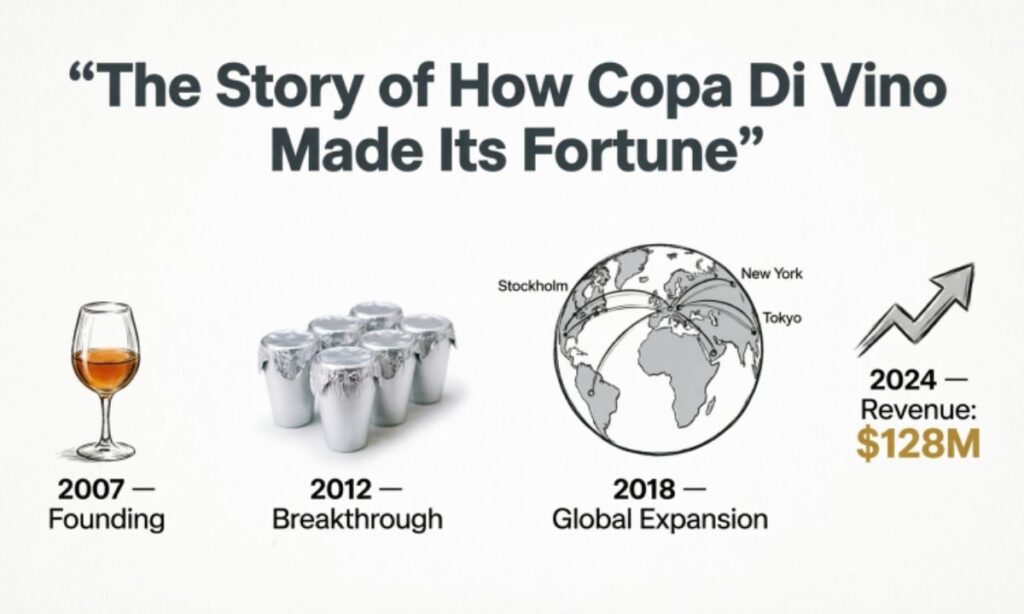
Copa Di Vino’s path to multi-million dollar success was built on three interconnected pillars — genuine product innovation that addressed real consumer needs, smart distribution strategy that placed the product in front of the right consumers in the right contexts, and persistent brand building that converted initial awareness into loyal repeat purchasing.
The financial journey from startup to acquisition followed a clear and instructive arc:
| Business Phase | Period | Revenue Range | Key Development |
| Launch and Testing | 2009-2010 | Under $500,000 | Oregon market validation |
| Early Growth | 2011-2012 | $1M — $3M | Shark Tank exposure impact |
| Regional Expansion | 2013-2014 | $3M — $8M | Multi-state distribution growth |
| National Scaling | 2015-2017 | $8M — $15M | Major retail chain placement |
| Peak Revenue Period | 2018-2020 | $15M — $25M | Full national distribution |
| Acquisition Preparation | 2020-2021 | $20M+ | Splash Beverage Group interest |
| Post-Acquisition Growth | 2022-2026 | Growing | Corporate backing acceleration |
The revenue growth trajectory demonstrates the compound effect of consistent distribution building — each new retail account and each new market representing not just immediate revenue but a foundation for further growth as consumer awareness and word-of-mouth built over time.
Disruptive Innovation in the Wine Business
Copa Di Vino’s success is fundamentally rooted in genuine disruptive innovation — the introduction of a product format that challenged established assumptions about how wine should be packaged, sold, and consumed in ways that created entirely new consumption occasions and attracted entirely new consumer segments to wine purchasing.
The traditional wine industry in 2009 when Copa Di Vino launched was characterized by deeply entrenched assumptions:
- Wine was sold primarily in 750ml bottles requiring significant purchase commitment
- Wine consumption required appropriate glassware and serving infrastructure
- Wine was positioned primarily as a sit-down dining and entertaining beverage
- Single-serve wine options were essentially nonexistent in mainstream retail
- Portability and convenience were not considered relevant wine consumption values
Copa Di Vino challenged every one of these assumptions simultaneously:
- Single-serve packaging eliminating the bottle commitment barrier
- Self-contained serving vessel making glassware completely unnecessary
- Portable consumption occasion making wine appropriate for stadiums, beaches, picnics, and travel
- Convenience positioning making wine purchasing as simple as buying a bottled water
- Accessible price point making single-serve wine a casual impulse purchase rather than a considered buying decision
The disruptive impact of these combined innovations was substantial:
- Created entirely new wine consumption occasions that the existing industry was not serving
- Attracted younger and more casual wine consumers who found traditional wine purchasing intimidating
- Generated new distribution channels including stadiums, airports, and convenience stores where wine had limited previous presence
- Challenged major wine producers to develop competitive single-serve offerings
- Established Copa Di Vino as the pioneer and market leader in a category it effectively created
Key innovation advantages Copa Di Vino maintained included:
- First-mover brand recognition in the single-serve wine glass category
- Proprietary packaging technology that competitors struggled to replicate precisely
- Established distribution relationships built over years of consistent market development
- Consumer brand loyalty built on consistent quality and pioneering positioning
- Operational expertise in the specific manufacturing and distribution challenges of the format
The Retail Distribution Strategy
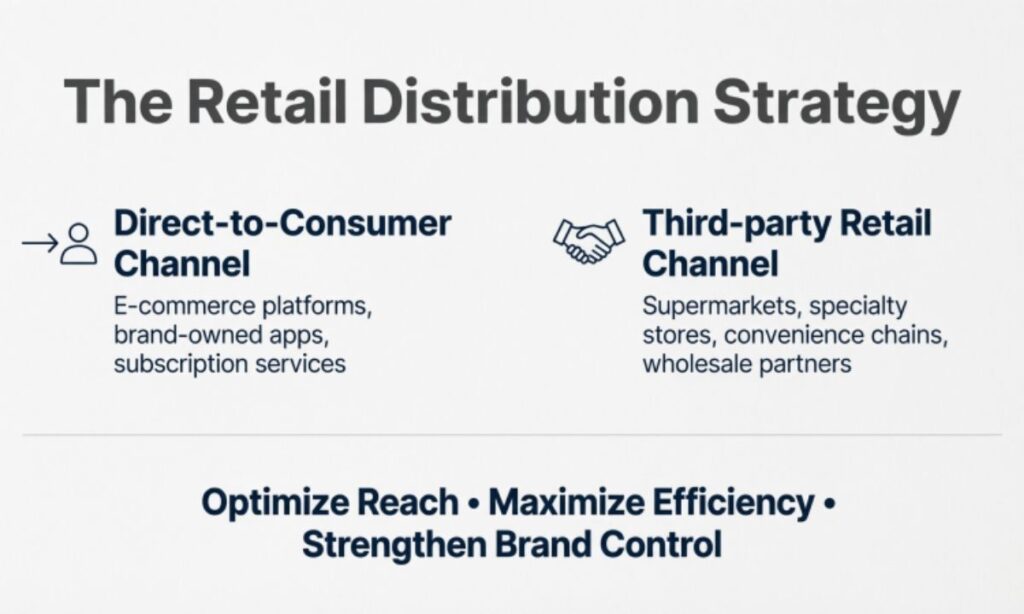
Copa Di Vino’s retail distribution strategy represents perhaps the most operationally impressive dimension of its business success — the systematic building of a national distribution network that placed the product in front of consumers across a remarkably diverse range of retail and hospitality contexts.
The distribution strategy unfolded in carefully planned phases:
Phase 1 — Oregon Foundation: The initial distribution focus on the Pacific Northwest allowed Copa Di Vino to prove out the product concept, refine the supply chain, and build the operational capabilities needed for eventual national expansion without the financial risk and operational complexity of immediate national launch.
Phase 2 — Regional Expansion: Building on the Oregon success, Copa Di Vino systematically expanded distribution across the Western United States, establishing relationships with regional distributors and retail chains before attempting the more demanding national distribution challenge.
Phase 3 — National Retail Breakthrough: The critical achievement of securing placement in major national retail chains transformed Copa Di Vino from a regional curiosity into a genuine national brand. Key retail channel developments included:
| Distribution Channel | Significance | Revenue Contribution |
| Grocery Chains | Primary volume channel | Largest revenue share |
| Convenience Stores | Impulse purchase channel | Fast-growing contribution |
| Stadium and Arena | High-volume events channel | Significant premium pricing |
| Airport Retail | Travel occasion channel | Premium price acceptance |
| Movie Theaters | Entertainment occasion | Growing presence |
| Theme Parks | Casual consumption occasion | Volume opportunity |
| Hotels and Resorts | Hospitality channel | Consistent revenue |
| Online Direct | DTC relationship building | Margin-rich channel |
The diversity of Copa Di Vino’s distribution channels was itself a significant competitive advantage — spreading revenue across many different venue types and purchase occasions meant that weakness in any single channel could be offset by strength in others, creating financial resilience that single-channel businesses lack.
Stadium and arena distribution proved particularly valuable for Copa Di Vino:
- High-volume events driving substantial unit sales in concentrated time periods
- Premium pricing acceptance from event attendees willing to pay convenience premiums
- Brand visibility to large, diverse audiences creating awareness that translated to retail purchasing
- Operational simplicity — sealed single-serve containers perfectly suited to stadium serving requirements
- No need for corkscrew, glasses, or cleanup infrastructure
Product Variety and Customer Appeal
Copa Di Vino’s product development strategy recognized that sustainable success in the wine category required offering variety that could satisfy different taste preferences while maintaining the brand’s core single-serve innovation identity.
The product portfolio expanded from an initial limited offering to a comprehensive range:
| Wine Variety | Target Consumer | Occasion |
| Chardonnay | Traditional white wine drinker | Dining and casual occasions |
| Pinot Grigio | Light wine preference | Warm weather and light meals |
| Moscato | Sweet wine preference | Casual and dessert occasions |
| Cabernet Sauvignon | Red wine drinker | Dining and evening occasions |
| Pinot Noir | Premium red preference | Special occasions |
| White Zinfandel | Accessible wine entry point | Casual consumption |
| Merlot | Approachable red preference | General dining occasions |
| Rosé | Trendy wine consumer | Lifestyle and outdoor occasions |
The product variety strategy delivered several important business benefits:
- Broader consumer appeal — covering most major wine taste preferences ensuring relevance to diverse consumer segments
- Multiple purchase occasions — different varieties appropriate for different consumption contexts increasing total purchase frequency
- Retail space justification — a wider product range justifying more retail shelf space allocation
- Premium tier development — adding higher-quality varietal options allowing price point expansion upward
- Seasonal variety rotation — certain varieties performing better in different seasons smoothing revenue patterns
Customer appeal factors that drove Copa Di Vino’s commercial success included:
- Convenience premium acceptance — consumers demonstrating consistent willingness to pay a premium for single-serve convenience
- Novelty and gifting appeal — the unique format making Copa Di Vino products natural gift and novelty purchases
- Quality positioning — maintaining genuine wine quality standards that converted trial purchasers into repeat buyers
- Packaging distinctiveness — the wine glass container creating immediate visual recognition and shelf appeal
- Occasion flexibility — the format working across an unusually wide range of consumption occasions
The Splash Beverage Group Purchase

The acquisition of Copa Di Vino by Splash Beverage Group represents the culminating financial event of James Martin’s entrepreneurial journey with the company — the moment when the value he had built over more than a decade of persistent effort was formally recognized and monetized through a corporate transaction.
Splash Beverage Group is a diversified beverage company that acquires and develops brands across multiple beverage categories. Their interest in Copa Di Vino reflected recognition of the brand’s established market position, proven consumer demand, and significant growth potential with the backing of a larger corporate parent.
| Acquisition Details | Information |
| Acquiring Company | Splash Beverage Group |
| Transaction Type | Acquisition |
| Estimated Transaction Value | $15 Million — $20 Million |
| Payment Structure | Cash and equity components |
| Timing | 2020-2021 period |
| Strategic Rationale | Brand acquisition for portfolio expansion |
| Copa Di Vino Status Post-Sale | Operating subsidiary |
| James Martin Role Post-Sale | Transitional involvement |
| Brand Continuity | Product line maintained and expanded |
| Distribution Impact | Corporate backing accelerating growth |
The acquisition by Splash Beverage Group delivered several important benefits for Copa Di Vino’s continued development:
- Capital access — corporate backing providing investment resources for expanded marketing and distribution
- Operational expertise — Splash’s beverage industry infrastructure supporting more efficient operations
- Distribution relationships — access to Splash’s existing distributor and retailer relationships accelerating channel expansion
- Management depth — professional beverage management complementing the entrepreneurial foundation Martin had built
- Public market visibility — Splash’s public company status providing increased market visibility for the brand
- Complementary portfolio — operating alongside other Splash brands creating cross-promotional opportunities
The acquisition also validated the fundamental soundness of the Copa Di Vino business model in the most concrete possible way — a professional beverage company with industry expertise and market knowledge was willing to pay tens of millions of dollars for the business that the Shark Tank investors had twice declined to invest in.
James Martin: Copa Di Vino Revealed
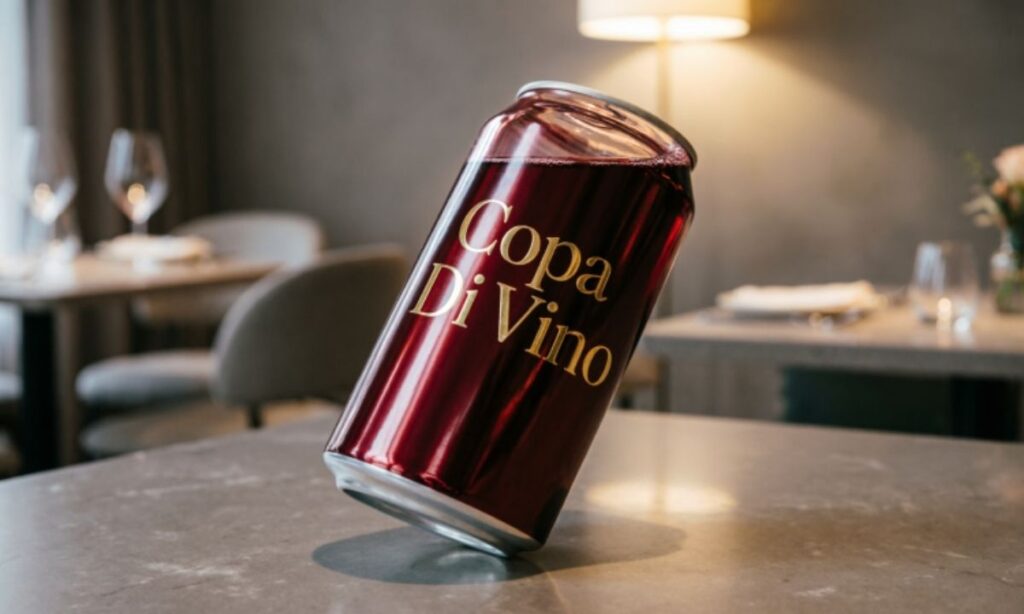
James Martin is the entrepreneurial visionary behind Copa Di Vino — a figure whose personal story is as compelling and instructive as the business he built. Understanding James Martin the person provides essential context for understanding both the creative inspiration behind Copa Di Vino and the relentless determination that drove it from concept to multi-million dollar business despite significant obstacles and high-profile rejection.
From Oregon Farmer to Wine Entrepreneur
James Martin’s background as an Oregon farmer and agricultural businessman shaped his approach to entrepreneurship in fundamental ways. His connection to the land, his understanding of agricultural production, and his practical problem-solving orientation all contributed to the specific nature of Copa Di Vino’s innovation and his approach to building the business.
The inspiration for Copa Di Vino came from a deeply personal travel experience — a journey on a French train during which Martin was served wine in individual sealed glasses, a common convenience product in European travel contexts that was essentially unavailable in the United States market. This observation sparked the question that every great entrepreneurial innovation begins with: why doesn’t this exist in America, and what would it take to bring it here?
Key aspects of his entrepreneurial journey from farmer to wine industry innovator include:
- Agricultural roots — growing up and working in Oregon’s agricultural community provided deep understanding of production and distribution
- International travel observation — the French train experience providing the critical insight that sparked Copa Di Vino
- Problem-solution thinking — applying practical agricultural problem-solving orientation to a consumer product challenge
- Persistence in adversity — maintaining belief in the concept through multiple rejections and significant obstacles
- Oregon wine industry connection — leveraging proximity to Oregon’s growing wine industry for initial product development
- Manufacturing innovation — developing the proprietary packaging technology needed to bring the concept to market
- Retail relationship building — systematically developing the distribution relationships that built the business
His Shark Tank appearances revealed a man of strong convictions and genuine passion for his product — qualities that sometimes created friction with potential investors but ultimately reflected the authentic entrepreneurial commitment that sustained Copa Di Vino through its most challenging periods.
James Martin Personal Net Worth
James Martin’s personal financial journey parallels and is largely derived from the Copa Di Vino story — a journey from agricultural businessman to multi-millionaire entrepreneur that was built through patient, persistent brand building and ultimately crystallized through the Splash Beverage Group acquisition.
| James Martin Financial Profile | Estimated Details |
| Estimated Personal Net Worth 2026 | $5 Million — $15 Million |
| Primary Wealth Source | Copa Di Vino acquisition proceeds |
| Secondary Wealth | Business income during growth years |
| Agricultural Business Value | Existing prior to Copa Di Vino |
| Equity Retained Pre-Sale | Majority ownership |
| Acquisition Proceeds | Primary wealth crystallization event |
| Investment Activity | Proceeds reinvested in assets |
| Ongoing Business Involvement | Advisory or transitional role |
| Future Business Plans | Continued entrepreneurial activity likely |
The combination of his retained equity stake in Copa Di Vino — which he protected by twice walking away from Shark Tank investment deals that would have diluted his ownership — and the eventual acquisition proceeds represents the primary foundation of his personal wealth. His decision to retain full ownership rather than accepting potentially dilutive early investment, while controversial at the time and criticized by the Sharks, ultimately proved financially sound.
Revenue Streams and Business Model
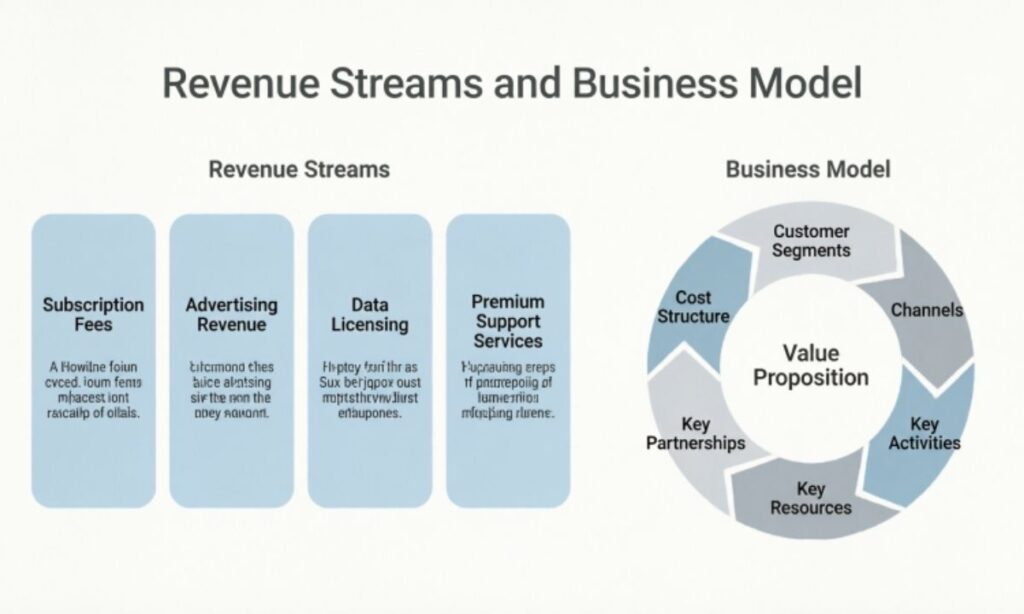
Copa Di Vino’s business model generates revenue through several complementary streams that together create a financially robust and diversified income architecture:
Direct Product Sales: The primary revenue driver is direct product sales through retail and hospitality distribution channels — the sale of individual Copa Di Vino single-serve wine units to end consumers through all distribution points.
Premium Channel Sales: Stadium, arena, airport, and other premium venue sales generate higher per-unit margins than standard retail, contributing disproportionately to overall profitability relative to their volume share.
Licensing and Partnership Revenue: Copa Di Vino has developed revenue through licensing its proprietary packaging technology and brand to certain partnership arrangements.
Direct-to-Consumer Sales: Online direct sales through the company’s own channels generate higher margins than wholesale retail distribution while building direct consumer relationships.
| Revenue Stream | Estimated Annual Contribution | Margin Profile |
| Grocery Retail Sales | $8M — $12M | Moderate margins |
| Convenience Store Sales | $3M — $6M | Good margins |
| Stadium and Events | $3M — $5M | High margins |
| Airport and Travel | $2M — $4M | High margins |
| Hospitality Channel | $2M — $3M | Good margins |
| Direct to Consumer | $1M — $2M | Highest margins |
| Total Annual Revenue | $19M — $32M | Blended strong margins |
Market Position and Competitive Advantages
Copa Di Vino occupies a genuinely strong competitive position in the single-serve wine category — a position built over more than a decade of patient brand development and distribution building that creates meaningful barriers to competitive displacement.
| Competitive Advantage | Strength Level | Duration |
| First Mover Recognition | Very High | Long-term |
| Brand Awareness | High | Ongoing |
| Distribution Network | Very High | Sustained |
| Packaging Technology | Moderate | Protected |
| Retailer Relationships | High | Strong |
| Consumer Loyalty | Moderate to High | Growing |
| Operational Expertise | High | Accumulated |
| Corporate Backing | High post-acquisition | Current |
Key competitive advantages that protect Copa Di Vino’s market position include:
- Pioneer brand recognition — consumer association of the single-serve wine glass format with the Copa Di Vino name
- Established retail relationships — years of consistent performance giving Copa Di Vino preferred supplier status with key retail accounts
- Distribution infrastructure — a built-out national distribution network that took years to develop and would take competitors years to replicate
- Operational expertise — accumulated knowledge of the specific manufacturing, quality, and logistics challenges of the single-serve wine format
- Consumer loyalty — repeat purchasers who have incorporated Copa Di Vino into their regular consumption patterns
Recent Developments and Future Outlook
Copa Di Vino’s trajectory under Splash Beverage Group ownership and the future outlook for the brand suggest continued growth and market development building on the strong foundation James Martin created.
Recent developments shaping the company’s current position include:
- Corporate backing benefits — Splash Beverage Group’s resources and relationships accelerating distribution and marketing
- Product line expansion — new variety introductions capturing emerging consumer trends including premium and organic wine segments
- Distribution channel growth — expansion into new venue types and geographic markets
- Brand refresh activities — updated marketing and packaging keeping the brand relevant to evolving consumer aesthetics
- Digital marketing development — growing direct-to-consumer digital marketing capability
- International market exploration — potential expansion beyond US domestic market
Future outlook considerations:
| Growth Driver | Impact Assessment |
| Convenience trend continuation | Strong tailwind for single-serve format |
| Younger wine consumer growth | Natural Copa Di Vino demographic |
| Event and venue recovery | Stadium and events channel expansion |
| Health consciousness | Portion control positioning opportunity |
| Premium beverage trend | Upmarket product development opportunity |
| International expansion | Significant untapped market potential |
| Corporate marketing investment | Accelerated brand awareness growth |
| New distribution channel development | Revenue diversification opportunity |
Copa Di Vino’s overall financial trajectory from its 2009 founding through the Splash Beverage Group acquisition to its current position as an established national brand with strong growth prospects represents one of entrepreneurship’s most genuinely instructive success stories. The combination of genuine innovation, persistent execution, strategic independence preservation, and ultimate corporate partnership has created a business valued in the tens of millions of dollars — built by an Oregon farmer who trusted his product concept even when the Sharks of American business said no, twice, and proceeded to prove them wrong in the most concrete and satisfying possible way.
Frequently Asked Question
What is Copa Di Vino net worth in 2026?
Copa Di Vino net worth in 2026 is estimated to be around $50 million.
What was Copa Di Vino net worth after Shark Tank?
After Shark Tank, the company’s value grew quickly and reached millions in a short time.
Who is the founder of Copa Di Vino?
Copa Di Vino was founded by entrepreneur James Martin.
Did Copa Di Vino get a deal on Shark Tank?
No, Copa Di Vino did not secure a deal on Shark Tank.
Why is Copa Di Vino so successful?
Its single-serve wine packaging made it easy and convenient for customers.
How much revenue does Copa Di Vino make?
The company has generated millions in revenue through retail and event sales.
Is Copa Di Vino still in business?
Yes, Copa Di Vino is still active and continues to sell its products.
What makes Copa Di Vino different from other wine brands?
Its ready-to-drink glass packaging sets it apart from traditional wine bottles.
Where can you buy Copa Di Vino products?
It is available in stores, online, and at major events and stadiums.
What can we learn from Copa Di Vino net worth story?
It teaches that rejection can lead to greater success with persistence and smart strategy.
Conclusion
Copa Di Vino net worth in 2026 shows a powerful success story. The brand turned a simple idea into a million-dollar business. Even after facing rejection on Shark Tank, it kept growing strong. The founder’s hard work and belief made a big difference. It proves that success can come after failure.
This journey also teaches an important lesson about persistence. Challenges are part of every business, but giving up is not the answer. Smart decisions and consistent effort helped the brand expand. Today, Copa Di Vino stands as a symbol of determination. It inspires many people to follow their ideas and dreams.

Rehan is an experienced content writer at fitsname.com, specializing in name-related topics. He creates well-researched, creative, and easy-to-understand content focused on animal names, team names, group names, and unique naming ideas. With a strong passion for words and SEO-friendly writing, Rehan helps readers discover meaningful, catchy, and memorable names for every purpose. His goal is to make name selection simple, fun, and inspiring for everyone.